Chicken Run Ideas For Small Backyards
Highlighted under: Family Favorites
I love finding creative solutions for my small backyard chicken run, and I've gathered some amazing ideas to maximize space while keeping my chickens happy and healthy. By using vertical space, incorporating natural elements, and adding engaging activities, I've transformed my limited area into a vibrant haven for my flock. These ideas not only ensure my chickens thrive but also make my backyard a lively and enjoyable space to be in. Join me as I share some innovative concepts that truly elevate the hen-keeping experience!
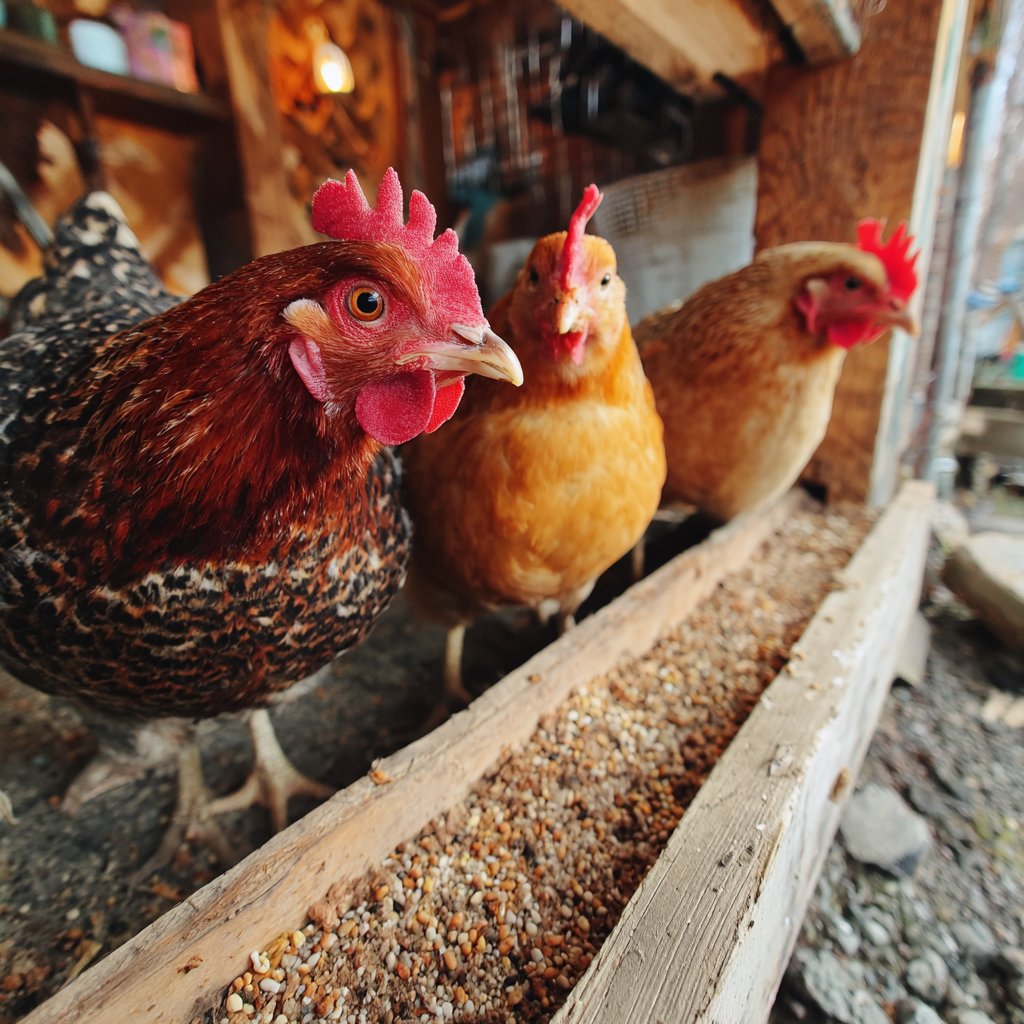
When I first started keeping chickens, I was amazed at how much joy these birds could bring even in a small space. I experimented with various designs, and nothing excites me more than watching my chickens thrive in an enriched environment. Each little change I made, from incorporating plants to adding different levels for climbing, sparked joy and curiosity in my flock.
One of my favorite tips is to add a small sandpit within the run. It not only helps with dust bathing but also keeps the chickens entertained. I’ve noticed that they spend a lot of time foraging in the sand, which keeps them happy and reduces their boredom. It's these little details that make a simple chicken run an adventure!
Why You'll Love This!
- Creative use of vertical space for maximum enjoyment
- Engaging elements keep chickens entertained and healthy
- A vibrant backdrop that enhances your backyard aesthetic
Maximize Your Space
When working with a small backyard, every inch counts. One effective strategy is to build vertically. Utilizing wooden pallets or crates can create platforms for your chickens to perch on and explore. These structures can be stacked to form lofted areas where your hens can enjoy their surroundings. Make sure to secure these elements with chicken wire to ensure safety while your flock enjoys their newly expanded territory.
An essential element in optimizing your run layout is ensuring the chickens can access different levels easily. Build ramps and ladders using spare wood to connect your vertical spaces. This not only gives them the freedom to roam but encourages exercise, which is vital for their health. A well-structured vertical design not only utilizes available space but also offers your chickens a stimulating environment.
Creating a Natural Habitat
Incorporating plants into your chicken run not only enhances the aesthetic but also provides shade and forage opportunities. Choose plants that are safe for chickens to peck at, like herbaceous varieties such as basil and parsley, or decorative plants like marigolds. These plants can create a more engaging environment for your hens, allowing them to exhibit natural foraging behavior, which keeps them mentally stimulated.
Consider designing specific areas within the run that can be planted with native plants or grass to give your chickens new textures to explore. I recommend planting some herbs in pots or hanging baskets to utilize vertical space effectively, ensuring even more exploration. Just be cautious to avoid toxic plants and ensure that the types you choose are beneficial to your flock.
Keep Them Entertained
Chickens can get bored if their environment is static, which may lead to stress and unhealthy behaviors. To combat this, offering engaging features like mirrors or hanging toys can significantly enhance their playtime. Rotate toys periodically to maintain their interest. Using items like old CDs or reflective surfaces can intrigue your chickens as they peck, providing both entertainment and mental stimulation.
Another great addition to your setup is a sandpit for dust bathing, which is a crucial part of a chicken's grooming routine. Regularly check the sandpit for cleanliness and replenish the sand as needed, aiming for a layer of about 4-6 inches. This will not only keep your chickens clean but can be a delightful spot for them to socialize and relax.
Ingredients
Materials
- Wooden pallets or crates
- Chicken wire
- Sand
- Plants (edible or ornamental)
- Perches
- Toys (e.g., mirrors, hanging treats)
Instructions
Plan Your Space
Evaluate the size of your backyard and decide on a designated area for the chicken run. Consider accessibility and safety for your flock.
Build Vertically
Utilize wooden pallets or crates to create layered spaces for your chickens. This expands their living area without needing more ground space.
Incorporate Natural Elements
Add plants (both edible and ornamental) to create shade and a natural habitat for your hens to explore and forage.
Add Engaging Features
Include toys like mirrors or hanging vegetables to stimulate your chickens mentally and physically. Ensure they have a small sandpit for dust bathing.
Pro Tips
- Don’t forget to regularly rotate the areas your chickens use to prevent overgrazing and maintain a healthy environment.
Materials Breakdown
When selecting materials for your chicken run, consider those that are durable yet safe for your flock. Wooden pallets are excellent due to their sturdiness and versatility; they can be altered to fit various configurations. Make sure to sand down sharp edges to prevent injuries. Additionally, if wooden crates are on hand, they make for great nesting boxes as well as platforms.
Chicken wire is vital for keeping your chickens safe from predators while allowing them to enjoy fresh air. Ensure the wire is adequately secured to your fencing frameworks to avoid gaps that might allow small animals to enter the space. It's worth investing in a higher gauge wire for better durability against the elements and potential wear.
Troubleshooting Common Issues
If you notice that your chickens are not using the vertical spaces you've created, make adjustments for better accessibility. Chickens may hesitate to try new things until they are comfortable, so gently guide them with treats to entice them up or down ramps. If they seem uninterested in plants, try placing them in pots that are easily within reach rather than directly in the ground.
In case chickens show signs of boredom or lethargy, it might be time to reassess the toys and features in their run. Sometimes simple changes, like introducing fresh hanging treats or moving around existing toys, can spark their interest again. Additionally, maintaining cleanliness within the run, including the sandpit area, is crucial; a dirty environment can lead to health issues, prompting lower activity levels.
Questions About Recipes
→ How much space do chickens need?
Generally, chickens need about 4 square feet per bird in the coop and 10 square feet in the run.
→ Can I keep chickens in a small backyard?
Absolutely! Chickens can thrive in small spaces with proper planning and design.
→ What plants are safe for chickens?
Safe plants include leafy greens, clover, and marigolds. Always research plant toxicity before planting.
→ How do I keep my chickens entertained?
Adding perches, sandpits, and engaging toys can significantly reduce boredom and enhance their quality of life.
Chicken Run Ideas For Small Backyards
What You'll Need
Materials
- Wooden pallets or crates
- Chicken wire
- Sand
- Plants (edible or ornamental)
- Perches
- Toys (e.g., mirrors, hanging treats)
How-To Steps
Evaluate the size of your backyard and decide on a designated area for the chicken run. Consider accessibility and safety for your flock.
Utilize wooden pallets or crates to create layered spaces for your chickens. This expands their living area without needing more ground space.
Add plants (both edible and ornamental) to create shade and a natural habitat for your hens to explore and forage.
Include toys like mirrors or hanging vegetables to stimulate your chickens mentally and physically. Ensure they have a small sandpit for dust bathing.
Extra Tips
- Don’t forget to regularly rotate the areas your chickens use to prevent overgrazing and maintain a healthy environment.